
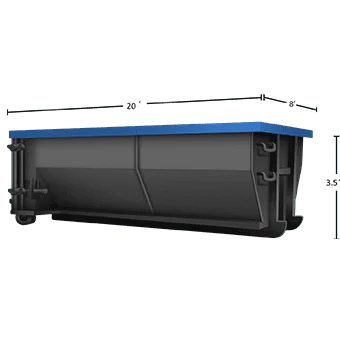
Separate the material streams
List bulky cleanout items, construction debris and any dense materials separately. Flag liquids, chemicals, batteries, electronics or other materials that may need a different disposal route. Ask for the provider’s accepted and excluded materials for this particular order; do not assume every household or demolition item belongs in one container.
Review the place where it will stand
Explain the proposed position, surface, overhead obstacles and approach. Distinguish private-property permission from any approval needed for public space. Ask the provider to assess the container and vehicle requirements before treating a driveway or curbside position as usable.
Plan loading and the last day
Confirm loading limits, usable access to the container and how the collection route stays clear. Do not put waste above agreed limits or move the container yourself. Discuss duration, an exchange if needed and how removal is requested.
Request a scope that can be compared
Ask the quote to identify the container, accepted waste, transport, rental period and applicable handling or disposal conditions. Keep restroom and waste-container positions coordinated so neither blocks the other’s users or servicing.